Project News
Recent milestones from the consortium include the ICEC Final Conference, features in City of Vienna's Research Magazine, and coverage in local press such as the Wiener Bezirkszeitung Mariahilf. Research findings on feeling at home in mixed neighbourhoods were discussed in 2016.
Neighbourhoods across European cities are often described as laboratories of coexistence, where everyday encounters between long-time residents and newcomers shape the broader social fabric. The project positions the urban district as a key site for understanding how policy choices influence whether shared spaces feel welcoming, contested, or quietly negotiated. By focusing on the street, the courtyard, and the local square, the research foregrounds lived proximity as a measure of social cohesion rather than relying on abstract national-level indicators of integration and belonging in contemporary urban life and policy discourse.
Super-diversity has become a defining feature of many European cities, with residents originating from a wide range of countries, languages, and migration trajectories settling within the same districts. This complexity challenges older models of integration that assumed a simpler majority-minority relationship. The project treats super-diversity as both a demographic reality and an analytical lens, asking how local institutions, housing markets, and public services respond when a single street can hold a dozen linguistic communities. Such conditions demand comparative and applied research that respects local context.
A sense of belonging is rarely produced by formal citizenship alone; it grows from daily recognition, access to public space, and the feeling that one's presence is expected rather than tolerated. The research explores how residents narrate their attachment to a neighbourhood, including those who have lived there for generations and those who arrived more recently. Interviews, walks, and participatory methods are used to capture these attachments, recognising that belonging is layered, fragile, and continuously reshaped by physical changes to the urban environment and by shifting policy priorities at the local level.
Co-responsibility frames coexistence as a shared civic project rather than a one-way expectation placed on newcomers. Public authorities, established residents, businesses, schools, and community organisations all participate in maintaining the conditions of urban life. The project investigates how responsibilities are distributed, negotiated, and sometimes disputed in three European city contexts. By comparing local practices, the research highlights which arrangements encourage broad participation and which inadvertently concentrate the burden of integration on a narrow set of actors within diverse and changing neighbourhoods across the continent.
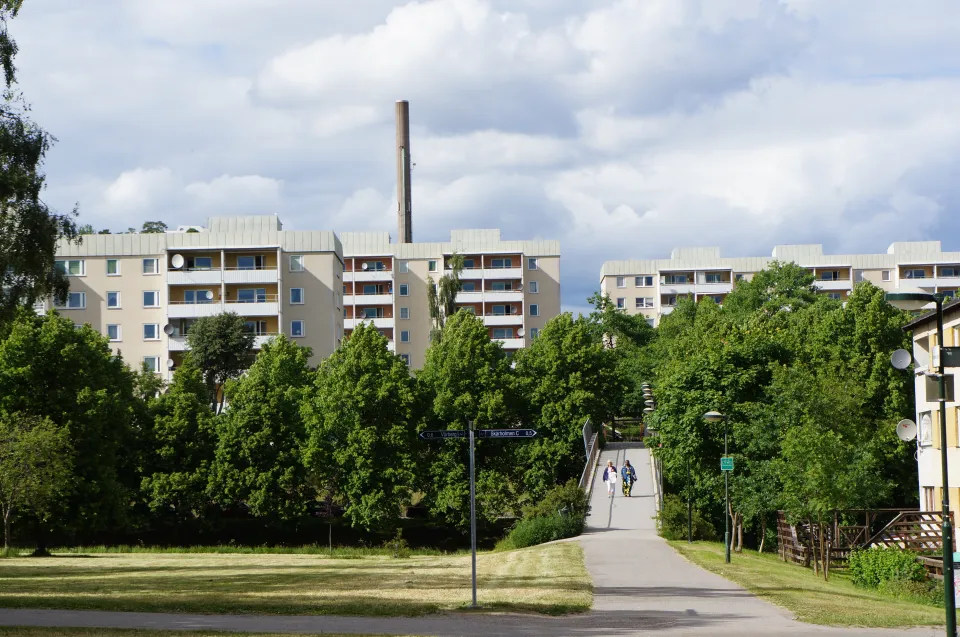
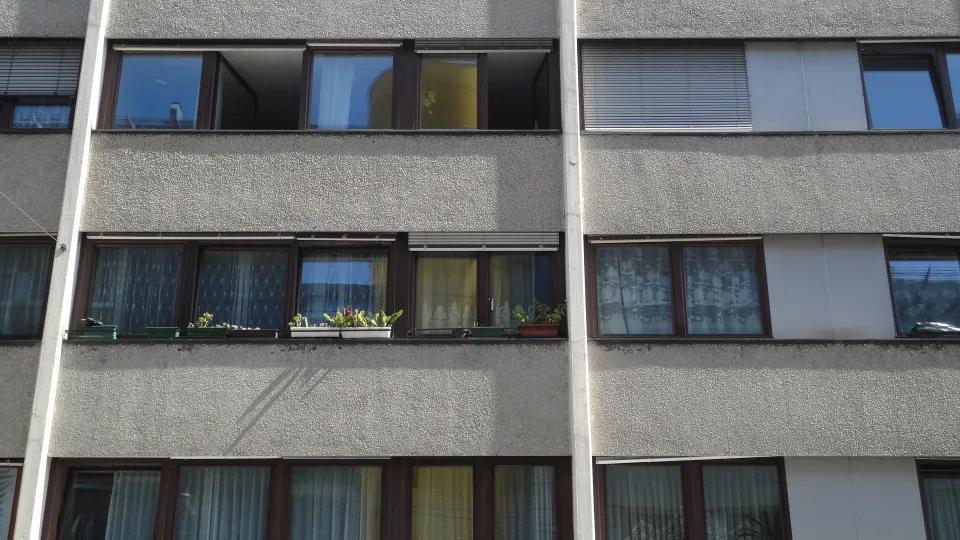
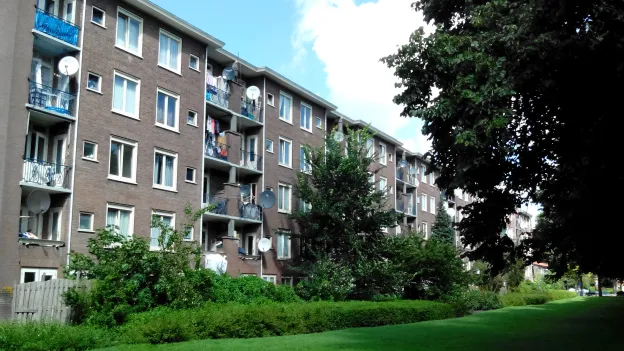
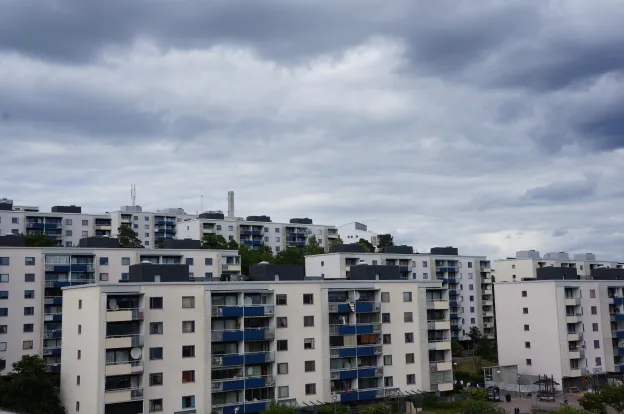
Comparing Amsterdam, Stockholm, and Vienna offers a distinctive opportunity to study how different welfare traditions, housing systems, and policy cultures approach the challenge of shared urban living. Each city combines strong municipal traditions with notable neighbourhood diversity, yet their institutional responses differ. The comparative design allows the research to move beyond single-case lessons and instead trace how similar questions receive different answers depending on local history. This cross-city perspective is central to the project's applied ambition and to its relevance for European policymaking on neighbourhoods.
Fieldwork in selected districts combines qualitative interviews, ethnographic observation, and policy document analysis. Researchers spend extended periods on site, attending local meetings, walking the streets, and speaking with residents about their routines and concerns. Visual methods, including photography and mapping, support the documentation of public space and everyday encounters. This mixed approach ensures that statistical descriptions of diversity are complemented by the texture of lived experience, allowing the project to communicate findings to both academic audiences and wider public readership.
The Advisory Board brings together practitioners and scholars who connect the research to ongoing debates in urban governance, social policy, and community development. Regular exchanges with this group help sharpen the project's research questions and ensure that findings remain relevant to those designing or delivering neighbourhood programmes. By treating the board as a critical interlocutor rather than a formal endorsement, the project fosters a genuine dialogue between research and practice, strengthening the applied orientation that defines the broader comparative study.
Communicating research findings beyond academic journals is a deliberate priority. Project outputs include accessible reports, short briefings, public events, and digital media designed to reach neighbourhood residents, local officials, and civil-society organisations. The visual identity, built on bold colour blocks and clear typography, mirrors this ambition by making complex material legible at a glance. In this way, the project treats communication as part of the research process, recognising that shared urban futures depend on conversations that extend well beyond specialist audiences.
Looking ahead, the project aims to contribute to a more nuanced understanding of how European cities can nurture coexistence in conditions of super-diversity. By foregrounding the neighbourhood as a site of both tension and creativity, the research underlines that coexistence is an ongoing achievement rather than a finished outcome. The hope is that the comparative findings, the methodological reflections, and the dialogues with practitioners will support more inclusive, responsive, and shared approaches to the everyday challenges of living together.